
Rescue Yourself…
How to Rescue Yourself When You Say or Do the Wrong Thing in Front of Your Child
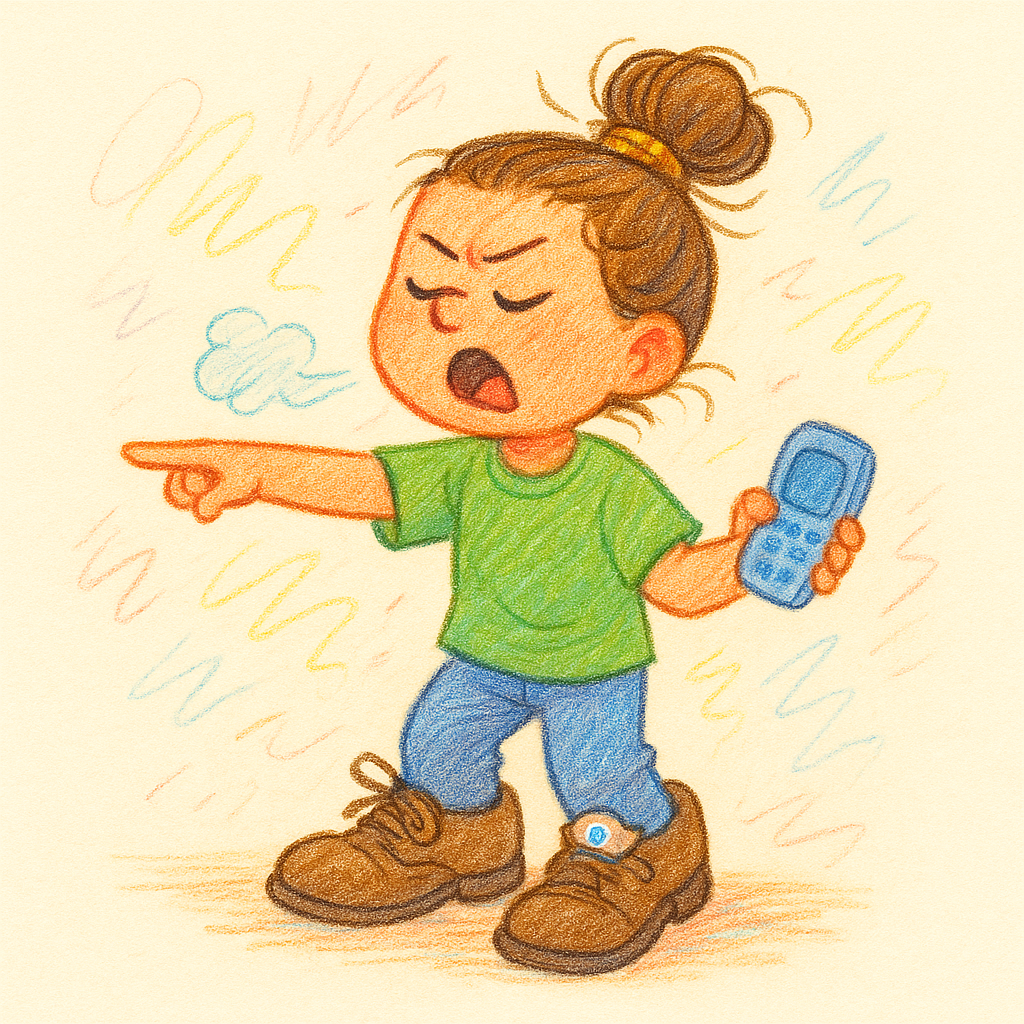
Children are world-class mimics. They copy our words, our tone, our little hand gestures… and, unfortunately, our most ridiculous outbursts too.
Here’s the uncomfortable question: would you feel proud if your child copied every single thing you did when you were angry or stressed?
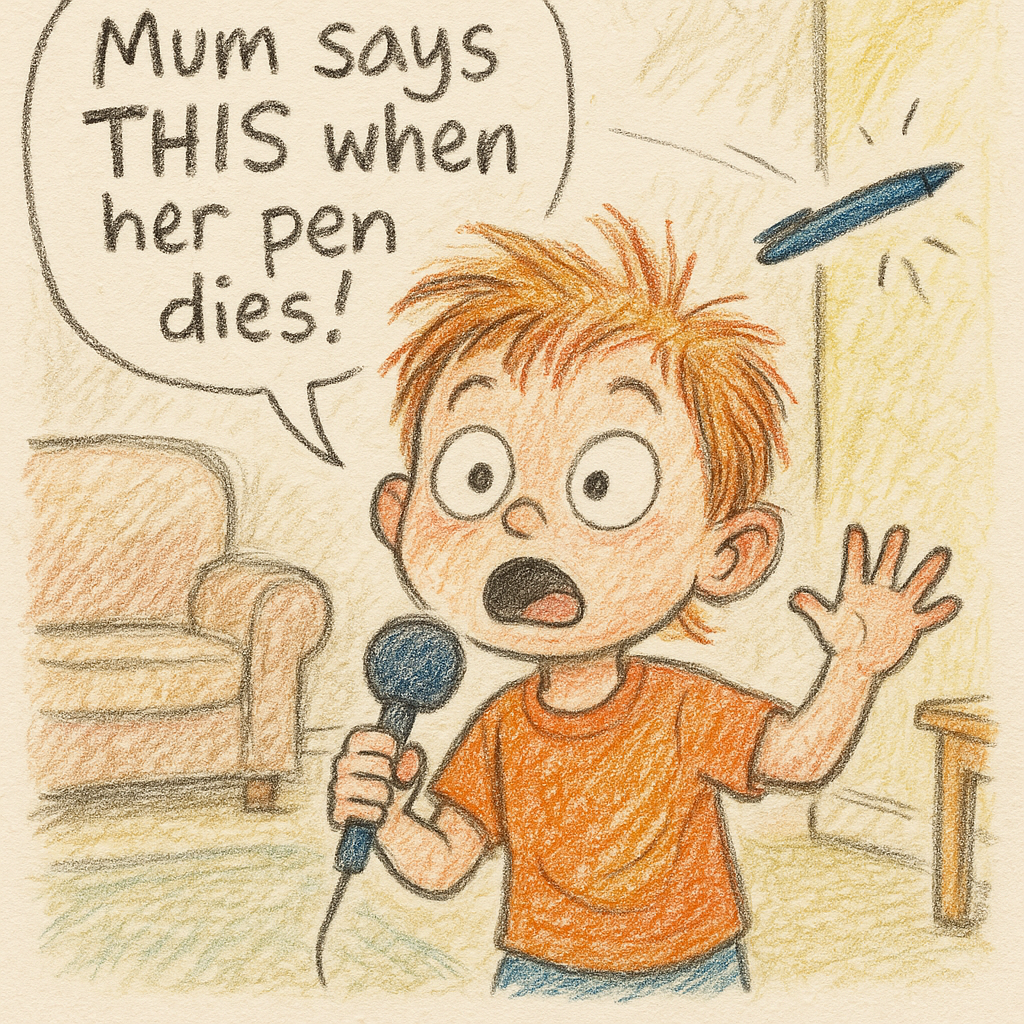
Picture it: you’re annoyed because your pen runs out of ink, so you fling it across the room and it clatters off the wall. Annoying? Absolutely.
But imagine your child pulling the same stunt in the middle of a classroom. Suddenly it’s not so funny — and would it really be fair to say it’s “their fault” if they were told off? After all, they learned from the best.
The truth is, kids are always taking notes. Every time we react to stress, frustration, or surprise, we’re teaching them what’s normal. And if we don’t address our slip-ups, they’ll assume those reactions are perfectly acceptable.
The good news: you don’t need to become a Zen Monk who never loses it. You just need to know how to rescue yourself when it happens. Enter: the cover-up technique.
Scenario 1: The Traffic Meltdown
You’re driving or cycling, someone cuts across the road, and before you know it you’ve slammed the brakes and unleashed words you wouldn’t want appearing in your child’s next piece of “Weekend News” writing at school.
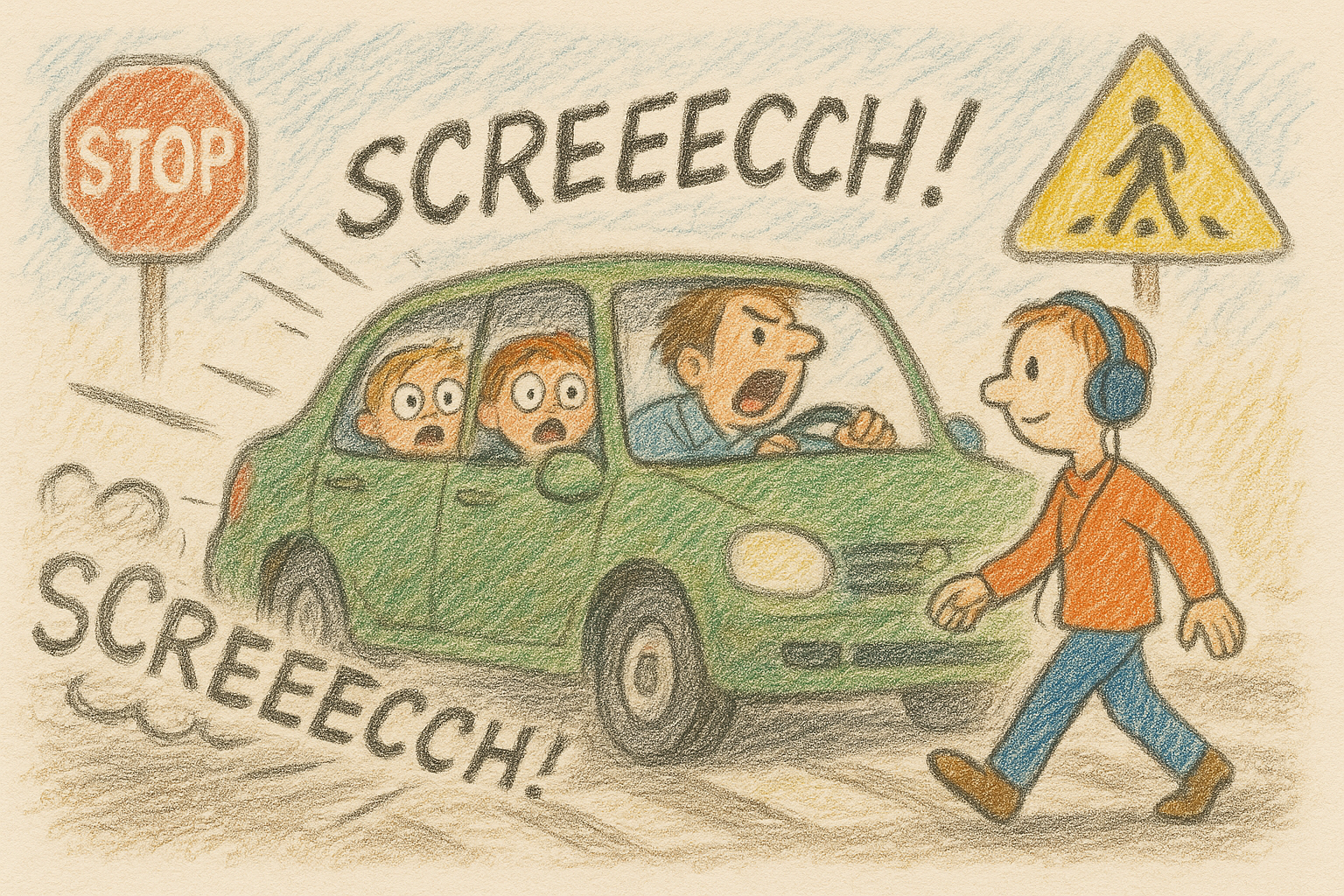
Your kids’ faces say it all: wide eyes, open mouths, maybe even a “…you said a rude word…” hanging in the air.
Here’s your rescue script:
“There was a man crossing without looking both ways. I shouted because I didn’t want him to get hurt. He didn’t seen me coming because he had headphones in.
Sorry if I scared you. I was frustrated because grown-ups should know better about crossing the road — looking both ways is one of the first things children are taught about road safety.”
Or…
“That man was looking at his phone while crossing. Very dangerous! I’ve even seen people walk into cars because they weren’t looking up. I shouted because I wanted him to be safe. The best thing to do is to stop and finish using your phone if it’s that important it use it in the street.”
The important lesson learned: you weren’t just angry — you cared about safety. And you’ve thrown in a life lesson for them to remember if they ever get a phone!
Scenario 2: Snapping at Your Child
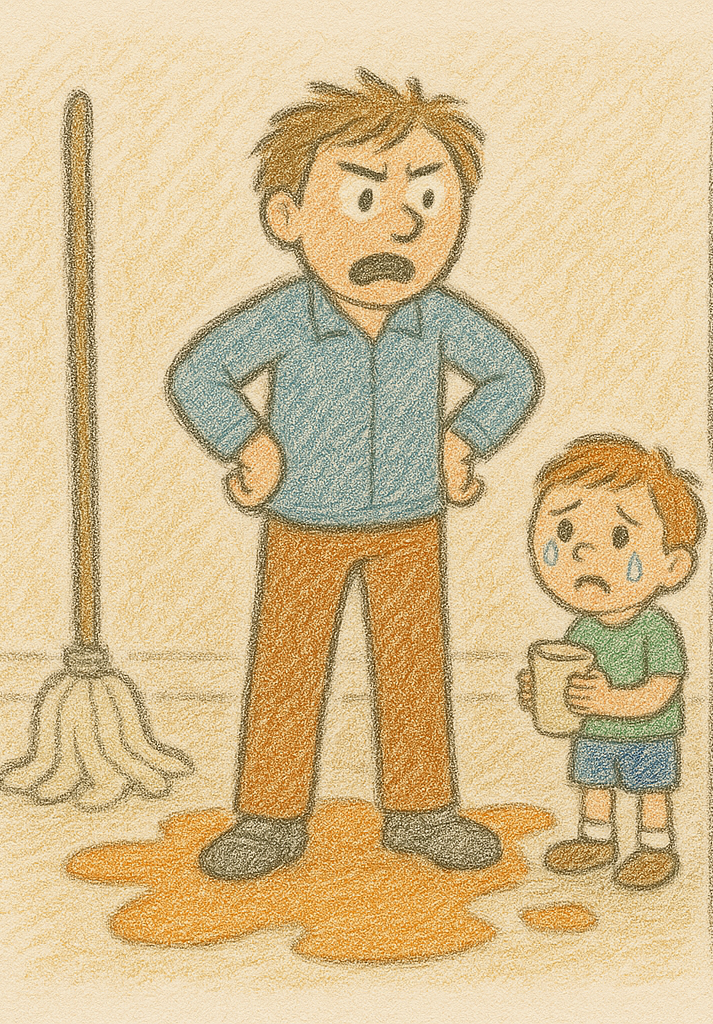
It’s the end of a long day. You’re tired, they’re tired, and suddenly there’s juice all over your freshly mopped floor. Out slips: “Oh for goodness ($*!@) sake, can’t you be more careful?!” The guilt is instant, your child looks like you’ve just cancelled Christmas, and you wish you could rewind.
Here’s your rescue:
“I sounded cross just then, didn’t I? I wasn’t angry at you — I was annoyed at the mess because I’d just cleaned. Drinks spill sometimes, that’s normal. I should’ve said, ‘Let’s clean it up together.’”
Lesson learned:
mistakes don’t equal anger. Mistakes equal cleaning cloths.
If you happen to use a few disturbing words in your exclamation, then you can add “I’ll try not to use those words when I’m annoyed. It’s better that I swap them out.”
Deflect from your mistake:
“What might you do and say when you are annoyed at school my angel?”
“What have you seen other people do?” (Much worse than me surely).
Scenario 3: Swearing at Technology
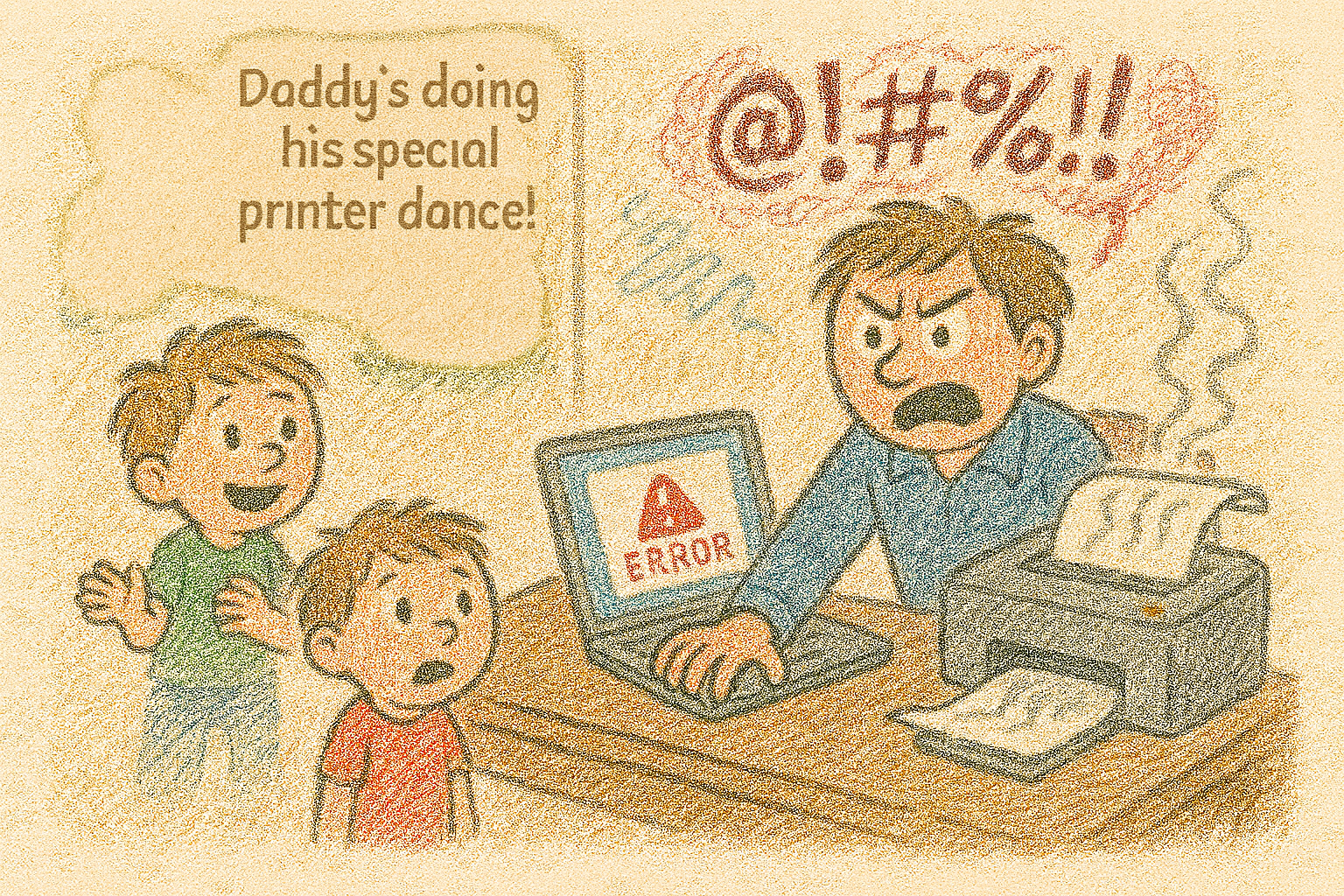
The printer jams, your laptop crashes, or your phone eats your email. You mutter a word that makes your child’s ears prick up faster than when you offer them chocolate.
Here’s your rescue:
“Oops, that was not a very nice word, was it? I said it because I was really frustrated with the printer. What I meant to say was, ‘This is so annoying!’ Everyone gets cross when things don’t work, but next time I’ll use better words.”
Lesson learned:
Frustration is fine, but swear words are not the solution (unless you want your four-year-old shouting them at Nursery/School snack time).
Last Minute Word Cover-up:
Sometimes styling out your rude word with unpredictable gobbledegook can prevent your child isolating that word and putting it into memory.
The Big Lesson
Here’s the point:
it’s not the slip-up that does the damage. It’s leaving it unaddressed.
When you cover it up with honesty, explanation, and a pinch of empathy, you’re showing your child three powerful things:
Adults aren’t perfect.
Feelings are real and worth talking about.
You can always repair a moment with the right words.
Bottom line:
Your children don’t need perfect parents. They need parents who know how to laugh at their mistakes, own them and turn them into lessons.
