
Academic Subjects? Don’t Worry — School’s Got It Covered

A Start-School-Ready Blog for Parents Feeling the Pressure
Feeling Worried Your Child Isn’t “Academic” Enough?
You’re not alone.
Many parents wonder:
Should my child be reading already? Should they know their numbers? Should they be writing their name clearly?
Here’s the truth:
Academic teaching starts in Reception. That’s the teacher’s job — and we’re trained for it.
Reception teachers follow the Early Years Foundation Stage (EYFS) standards, set by the Department for Education. We plan, track, scaffold, stretch, and support every step of your child’s learning journey.
Your job?
Not to front-load academics — but to raise a child who’s ready to learn. That means building confidence, curiosity, and a “have-a-go” attitude. Let’s explore why that mindset matters more than any head start on letters or numbers.
Every Child Grows on Their Own Timeline
We know it’s hard to stop comparing. But just like babies walk, talk, and grow at different speeds — they also start school with different emotional, social, and cognitive strengths.

Some 4-year-olds love puzzles and numbers. Others are all about climbing, chatting, or figuring out friendships. All of that is normal. All of that is expected.
The school system is designed to meet your child where they are — not where someone else’s child happens to be.
What Really Matters: Mindset and Curiosity
If your child walks into school feeling excited to learn, you’re already winning.
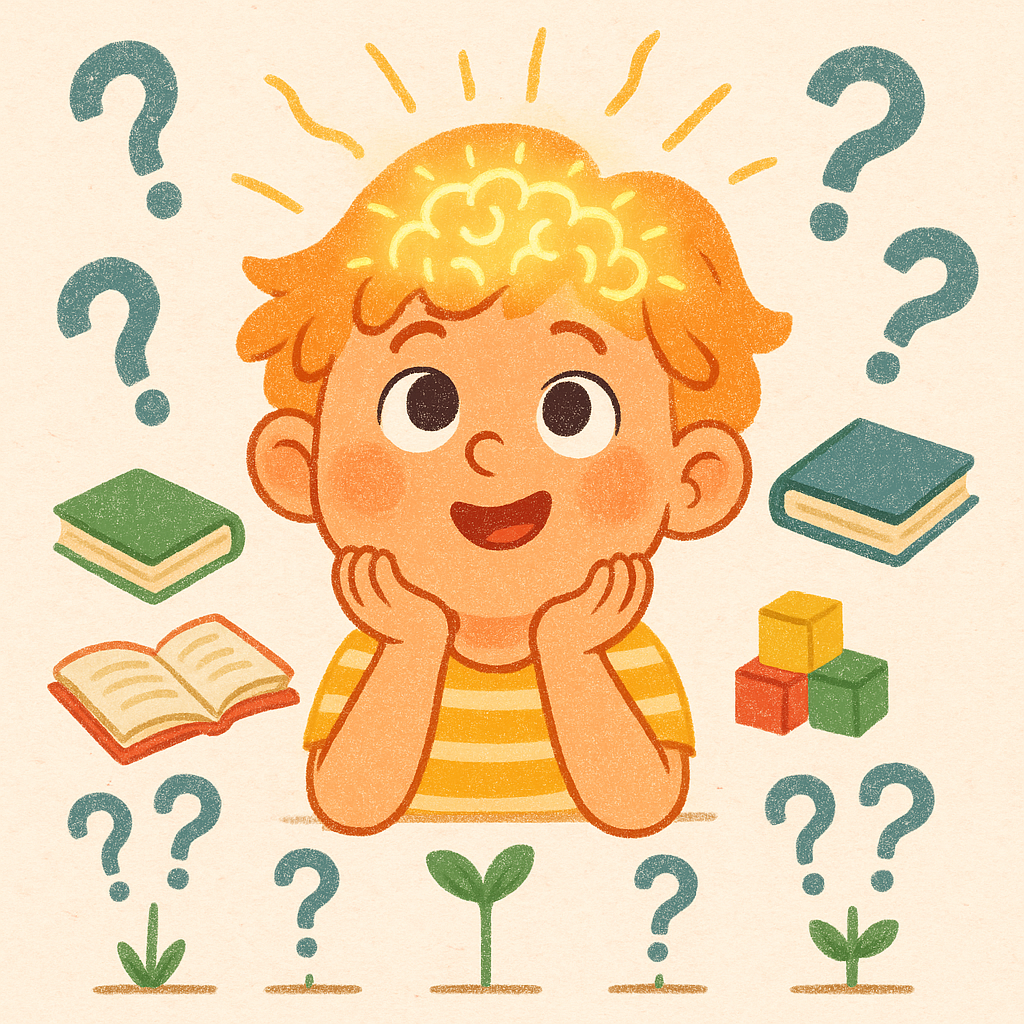
A curious child who asks questions, loves books, and wants to try new things is ready to soak up knowledge. But a child who’s anxious or afraid of getting it wrong might struggle — even if they know their letters.
Here’s the difference:
“I can’t wait to learn something new today!” → Open doors
“I already know that” or “You’re wrong — I saw it on YouTube” → Closed mindset
The mindset to want to learn is more powerful than anything already memorised.
It’s not what’s in their head — it’s what their mindset makes room for.
Joy Builds the Brain: Why Learning Should Feel Good
“Joy doesn’t just make learning fun. It makes it stick.”
– Ben Kingston-Hughes, Why Children Need Joy (2024)

Neuroscience backs this up: positive learning experiences trigger brain chemicals like dopamine and serotonin. These help the brain associate learning with reward, success, and satisfaction.
So when your child giggles after figuring something out — it’s not just cute.
It’s brain-building.
Don’t worry about drilling facts. Instead:
Turn baking into a science experiment
Let your child explain a wild idea (even if it’s wrong!)
Celebrate the joy of figuring things out
Language That Builds a Learning Mindset

You don’t need to sound like a teacher — just sprinkle learning-friendly phrases into everyday life. This helps your child feel right at home when they hear similar words in the classroom.
Try phrases like:
“I love how you’re exploring that idea.”
“You kept going — that’s what learning looks like!”
“Great question — that shows you’re really thinking.”
“Mistakes help us learn — let’s try something else.”
“You’re building your learning muscles!”
“Let’s investigate and see what happens.”
These build a self-identity around learning:
💬 “I’m someone who tries.”
💬 “It’s okay not to know — that’s how I grow.”
💬 “Every time I try, I get better.”

Everyday Language Swaps
Instead of saying…Try saying…
“That’s wrong.” - “That’s an interesting try — let’s think it through.”
“Good job.” - “You really kept going — that’s how we learn.”
“Hurry up.” - “Let’s see how quickly we can do this together.”
“That’s easy.” - “You’ve practised this — your brain is growing!”
“You’re so clever.” - “You worked hard on that — your effort paid off.”
“I’ll do it.” - “Let’s figure it out together. What could you try first?”
“Don’t make a mess.” - “Let’s discover — then clean up when we’re done.”
Words to sprinkle into your day:
Explore, Build, Try, Curious, Learn, Grow, Discover, Problem-solve.

Say “Let’s Try It!”
When your child says:
“I want to be a footballer!” → Pass them a ball.
“I like ballet!” → Put on music and let them dance.
It doesn’t matter what they grow up to be. What matters is that you said:
“Yes, let’s try.”
That message builds more than dreams. It builds learners.
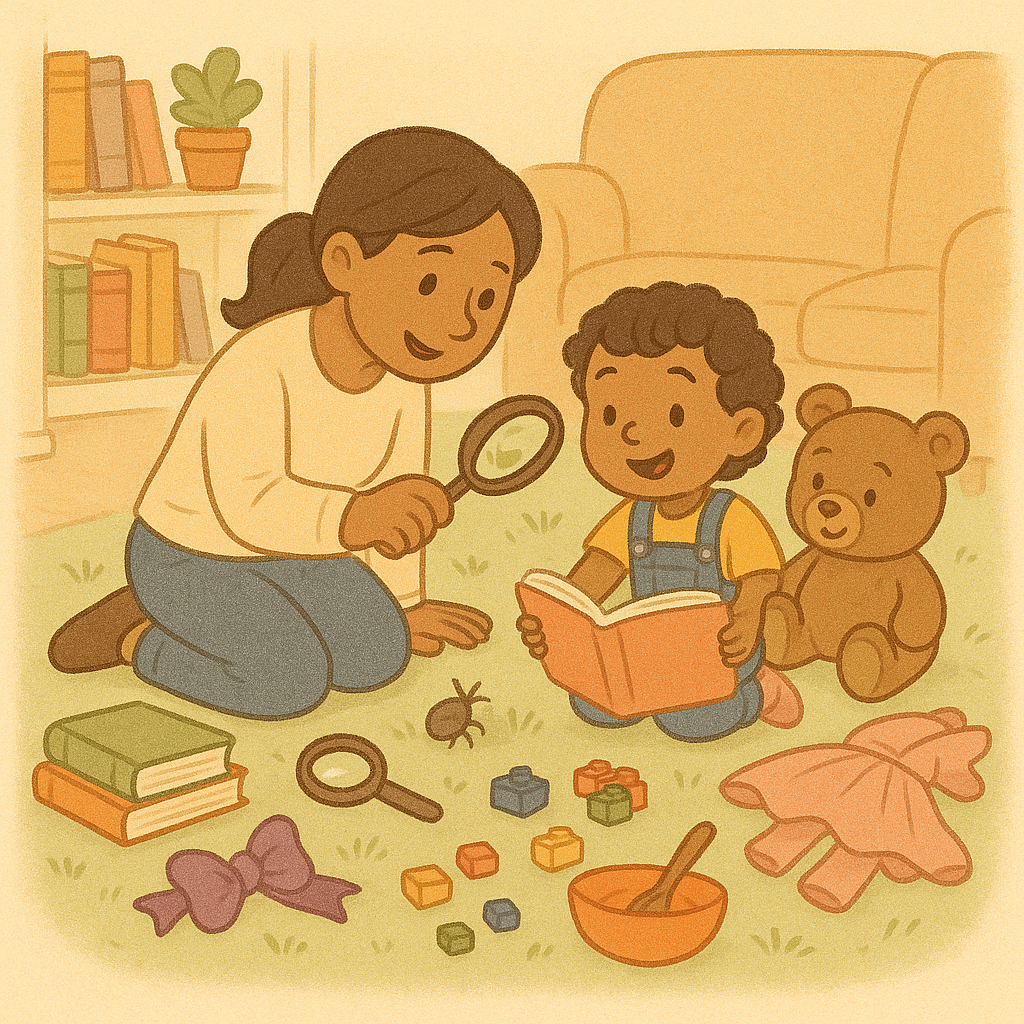
So What Can You Do Before School?
Read books together — for joy, not pressure
Follow their interests — bugs, baking, rockets, whatever excites them
Let them play — play is serious work for brain development
Be curious yourself — model questions, wonder, exploration
The Impact: A Mindset That Lasts
A child who walks into school excited to learn is in the best possible position to succeed.
Forget flashcards. Let teachers do the teaching.
Your role is to forge the right mindset. Confidence. Curiosity. Joy.
Final Thought
If your child can walk into Reception saying:
“I’m excited to learn!”
“I can try new things!”
“I don’t have to know it all — I just have to try.”
They’re ready.
That mindset is rocket fuel.
It will carry them through school — and life.
Need More Guidance?
In Reception, “playing” is more than what you think - and harder to organise than you can imagine. Want the full details of what happens behind closed doors in Reception?
Click here: A Day in Reception - The Learning Behind the Play
